



Nowadays, anyone using social media can see a piece of clothing they like, search it up and buy it five minutes later for a competitive price. Is this latest and greatest mentality fostering an insatiable hunger among consumers for the next quick fashion fix? Can shoppers and the fashion industry keep up with the fast-paced nature of fashion?
Fast fashion is clothing that is produced at a rapid pace often sacrificing quality for quantity, and sold at an unusually low price . Beyond whether or not we can keep up with fast fashion, we must consider the consequences. Fast fashion accounts for about 10% of carbon emissions and is responsible for 92 million tons of textile waste. A realization like this serves as a reality check for someone like me, who most likely contributes to this waste. This pollution is just the preface of the issues fast fashion creates.
With social media and the idea of influencers, we have someone constantly telling us what we need. We engage in a cycle of buying trendy pieces, then discarding them a couple of months to a year later, only for that trend to resurface in the next couple of years. This prompts us to buy them again. In this way, fast fashion perpetuates an endless and damaging cycle, one that demands urgent consideration and change.
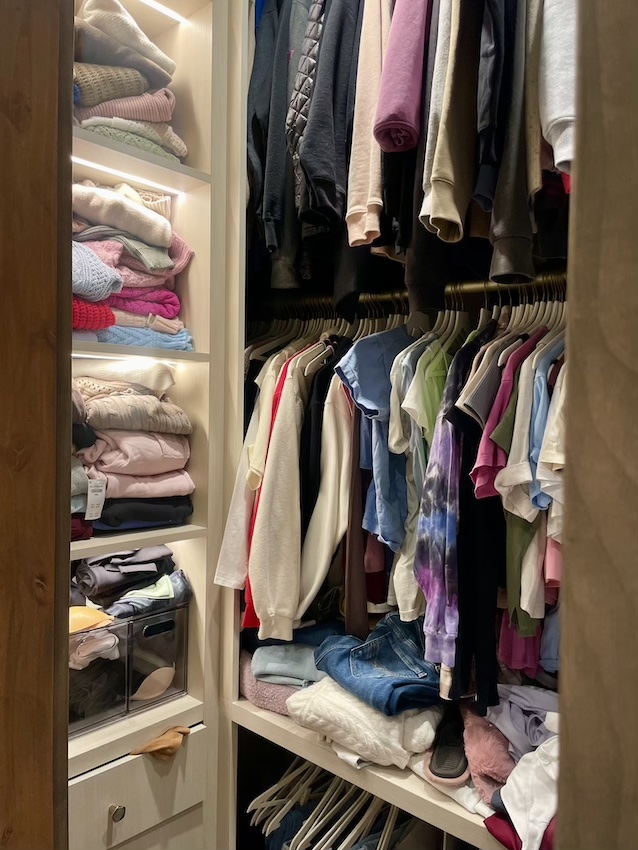
From here, it’s important to look at how fast fashion affects consumers on a personal level. As a consumer, is this mindset of immediate gratification healthy? With fast fashion, we feel pressured to conform to societal expectations. Our downfall may be reaching for a fashion ideal that is nonexistent leaving us with the disappointment of reality. When we consistently fall for every temporary trend, we start to view clothes as disposable rather than as quality expressions of self-image.
This constant demand for the latest looks comes at a human cost. Something must give for the ever-evolving, endlessly rolling fast-fashion industry; it happens to be at the expense of people working in factories. The fast fashion industry provides jobs to approximately 75 million factory workers worldwide, yet fewer than 2% earn a living wage.
Garment workers often work seven days a week, 16 hours a day. This impending workload is normalized in daily life for mainly women or children. The next time you click buy for your $5 top or $17 bikini from Shein, pause and think about the real people working 75-hour workweeks behind every purchase. Choose to support brands that value fair wages and ethical treatment.
Not only does fast fashion affect factory workers globally, but it also impacts our own communities. Small boutiques and local shops have a hard time keeping up with the steady flow of cheap, new styles. Big retailers can copy and sell trends in just a few weeks, but smaller stores need much more time to create and display their products. This puts them at a disadvantage. Many local shop owners end up with too much unsold stock or lose customers to bigger companies that offer convenient, inexpensive options. This cycle harms our local economy and erodes the personal touch and quality that small businesses offer.

Despite these challenges, many people, especially teens, find it tough to avoid fast fashion. Most of us can’t afford to buy from sustainable brands all the time, and trends change so quickly. Still, we can make better choices without losing our sense of style. We can buy only what we truly like, instead of following every new online trend. Wearing, restyling, and reusing our clothes can make a big difference. Shopping at thrift stores or supporting local boutiques also makes a difference.
Although you may not expect it, we have many fabulous boutiques right here in the valley, including The Foundry, and Revival 23. Picking timeless pieces or unique accessories from small businesses helps them thrive and allows us to showcase our own style. Senior Georgia Karlson follows fashion trends, but also navigates the tension of sticking to a budget while desiring to wear pieces that showcase her unique style. She tries to avoid buying new pieces for every new event.
“I shop at Target and H&M, but I keep the pieces for a long time,” Karlson said. “I think something really important to me is making sure that if I buy a piece from fast fashion, it’s something that I will actually wear.” A great way to not fully commit your time nor money towards fresh and fashionable pieces is to try renting clothes. Services like Nuuly and Rent the Runway are exciting ways to spice up your closet in a sustainable way.
Ultimately, fast fashion is part of our lives, but it doesn’t have to shape how we see clothes. If we think more about what we buy and support local businesses, we can find a better balance. Fashion can still be fun and creative, but also responsible and sustainable. Real style isn’t about keeping up with every trend; it’s an expression of self and what matters to us through our unique choices.
For more from The Feather visit Selah Neal gets on board the mission of Central Valley Honor Flight #33 and Honor Flight: Veteran Barbara Hoadley.


Delaney Meyers • Nov 20, 2025 at 11:11 am
I love your take on this issue, Chloe! I definitely struggle not to fall victim to fast fashion. I love the way this column adds variety to The Feather; I could use some advice from the expert! 😉
Tabitha Peters • Nov 12, 2025 at 10:51 am
Nice work, Chloe! I appreciate your comments on all the fashion topics. You’re someone that I would definitely go to for fashion advice! I love that you have brought a fashion column to The Feather; great diversity for the page.
Silva Emerian • Nov 10, 2025 at 11:58 am
Thanks for highlighting this issue, Chloe! Fast fashion is fun but definitely comes at a cost. Investing in pieces that last is not only responsible but builds a more quality wardrobe over time. Fantastic article!