


Oftentimes, the pendulum swings from one extreme to the other when supposed “solutions” are implemented. In the eyes of the public, the world of college sports has become increasingly unfair in terms of monetary compensation. Coaches and schools can make millions, while the ones who are on the field and putting their bodies on the line are left with nothing.
Many say it’s enough that athletes have the opportunity to earn a college education while playing the sport they love, often at a discounted price. But due to intense legal pressure, the NCAA abruptly changed its longstanding parameters, allowing players to be endorsed and to transfer between schools through the transfer portal.
2021 marked the beginning of the wild west era in college athletics. Players, mostly in football and basketball, were now making millions of dollars and transferring from school to school regularly. This newfound money and power quickly got to the heads of top athletes, destroying the traditional values college sports aim to instill in young adults.
Unknowingly, principles such as loyalty, selfless effort for the team and respect for authority were thrown out the window, and instead, it was replaced with ambition for money and fame. It is The Feather’s opinion that this breakdown of long-established core beliefs came when copious amounts of money were introduced, revealing the susceptibility to corruption within college athletics.
Athletes have always had to deal with unique problems that normal students do not face. The amount of pressure that is placed on 18 to 22-year-olds by coaches, teammates and fans to perform at their highest capacity is daunting. Adding money to the mix only increases the stress athletes face, now competing for fair compensation compared to other players at their level. While outsiders view athletes as the selfish ones seeking money over the right fit of program, the way the system is set up forces athletes to think about themselves instead of the team.
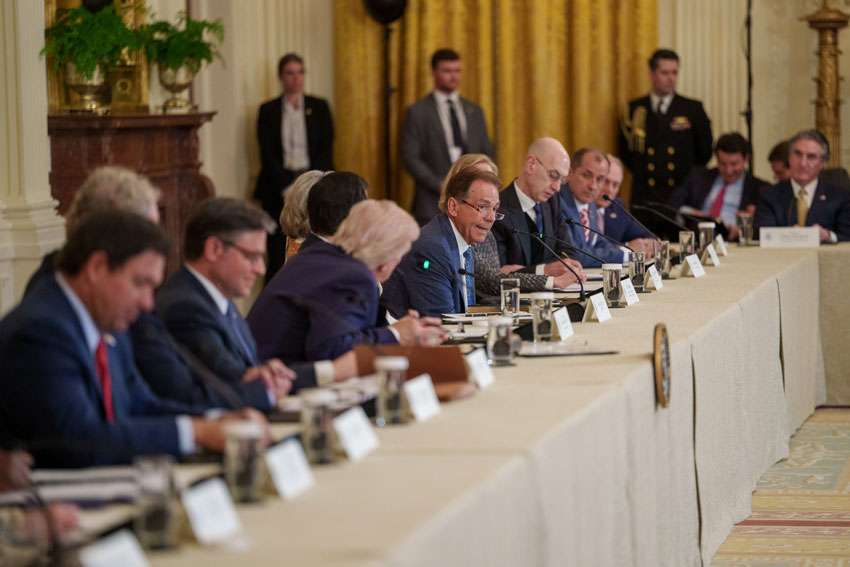
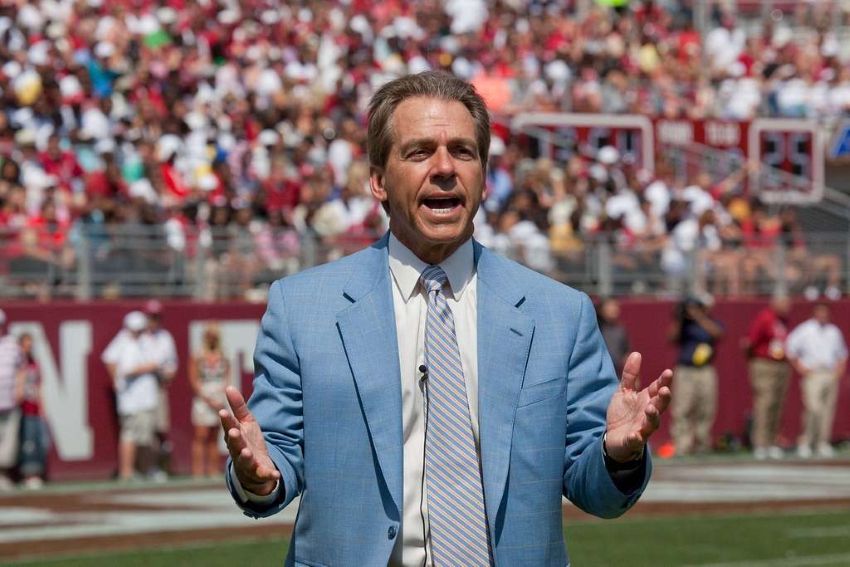
Fortunately for college athletics as a whole, voices advocating for change, including legendary former Alabama coach Nick Saban, were heard loud and clear following a round table talk on the issues in the NCAA, causing President Donald Trump to sign an executive order aimed at fixing problems posed by unrestricted NIL and the transfer portal. The primary goal of the “Urgent National Action to Save College Sports” is to protect women’s and Olympic sports from defunding and disbanding due to the focus given to highly profitable sports like football and basketball, securing a spot for all sports in an athletic program.
Prioritizing women’s and Olympic sports not only supports the growth of their respective programs, but it also helps to fix the dilemma of entitled athletes mostly created in the worlds of football and basketball. While some might argue that restricting athletes is unfair, as it is the athlete who worked hard to get to this point and should be compensated, the truth is that for the last century, athletes have always gone through college to have the privilege of playing the sport they love and potentially making it to the pros. The incentive to leave college and go professional was always about the money and the ability to provide for yourself and your family. Adding money to the college game only creates a minor-league imitation of professional leagues. Not only are players opting out of going to the big leagues early, but they are also disregarding the traditional values instilled in young adults as they near the end of their college education.
It is important to recognize that athletes themselves have not changed in many ways from a decade ago to now. They are still hardworking, driven young men and women who are incredibly passionate about their sport. In the pre-NIL and transfer portal era, the focus was on playing the game and getting an education. What has now shifted to a required focus on money and selfish gain is the result of a broken system, corrupting the young minds of collegiate athletes, not the result of inherently tainted athletes. Fresno Christian student Tycen Ramirez, ‘26, is committed to Northern Colorado for football and is directly affected by the new transfer limits.
“I think the executive order in general is good,” Ramirez said. “It forces players to be a lot more thoughtful when figuring out where to transfer to. For me, it’s tricky because I ultimately want to come back to California. But the good aspect is that I am forced to really understand where the best fit for me is.”
The executive order goes into effect on August 1, 2026, marking the 2026-27 school year as the start of a new era in college athletics. It will certainly take time to revert to the traditional values athletes sought while earning a real education, but this is a step in the right direction, while not completely purging NIL and transfer rights.
To read more from The Feather, visit CA High Speed Rail faces rising cost and delays and 19th Annual Econ Fair.




Danielle Arndt • May 11, 2026 at 11:48 pm
This is a well-written editorial! I agree loyalty in collegiate athletics is a dying virtue, and I hope this executive order is a step in the right direction toward fixing that.